EYAL Hospitals

+91 90875 22626

info@eyalhospital.com

Laparoscopic Surgery

Laparoscopic Surgery

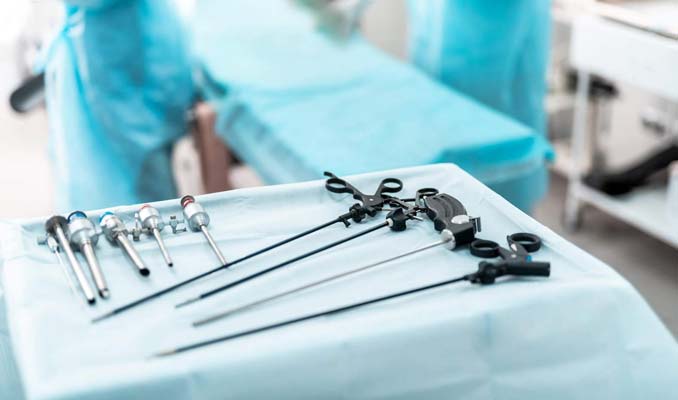
Laparoscopic Surgery is performed by highly qualified and experienced laparoscopic surgeons using the latest high-end laparoscopic equipment and instruments. The procedures are conducted in high-standard modular operation theatres equipped with a Laminar Air Flow (LAF) system for optimal safety and hygiene.

Benefits of Laparoscopy Surgery

Working this way has several advantages compared with traditional surgery. Because it involves less cutting:
  • You have smaller scars.
  • You get out of the hospital quicker.
  • You’ll feel less pain while the scars heal, and they heal quicker.
  • You get back to your normal activities sooner.
  • You may have less internal scarring.

Process of Laparoscopy Surgery

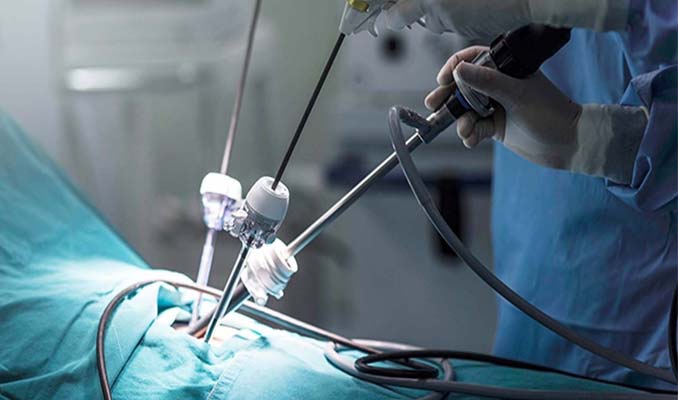
To begin the procedure, carbon dioxide is pumped into the abdomen, thereby expanding the abdominal cavity to provide the physician with space to maneuver instruments. Next a small incision is made for the laparoscope. Additional tiny cuts can be made if surgical instruments such as forceps and scissors are needed in the procedure.

Valuable diagnostic information can be obtained by examining a biopsy specimen of the liver or abdominal lesions. Once your abdomen is inflated, the surgeon inserts the laparoscope through the incision. The camera attached to the laparoscope displays the images on a screen, allowing your organs to be viewed in real time.

The number and size of incisions depends upon what specific diseases your surgeon is attempting to confirm or rule out. Generally, you get from one to four incisions that are each between 1 and 2 centimetres in length. These incisions allow other instruments to be inserted. After the procedure is done, the instruments are removed. Your incisions are then closed with stitches or surgical tape. Bandages may be placed over the incisions.

Preparation for Laparoscopy Surgery

Mental and physical preparation is essential for all types of medical treatments and informing your doctor about your condition makes it easy for them to perform the surgeries. You should tell your doctor about any prescription or over-the-counter medications you’re taking. Your doctor will tell you how they should be used before and after the procedure. This will reduce the risk of harm to your developing baby.

Before laparoscopy, your doctor may order blood tests, urinalysis, electrocardiogram (EKG or ECG), and chest X-ray. Your doctor might also perform certain imaging tests, including an ultrasound, CT scan, or MRI scan.

These tests can help your doctor better understand the abnormality being examined during laparoscopy. The results also give your doctor a visual guide to the inside of your abdomen. This can improve the effectiveness of laparoscopy. You’ll probably need to avoid eating and drinking for at least eight hours before laparoscopy. That’s all you are supposed to be prepared about this.

Appointment


This will close in 0 seconds